
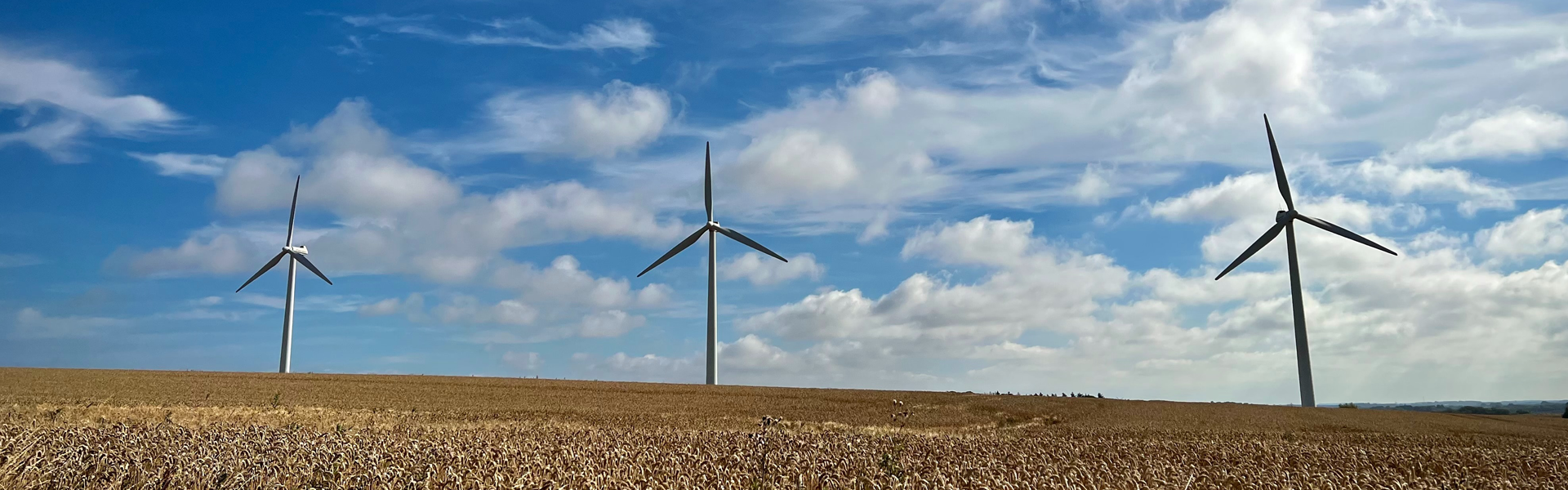
Europe stands at the forefront of the global effort to combat climate change and transition towards a sustainable energy future. The continent has been a hotbed of energy-saving innovations and policies that have set impressive benchmarks for other nations to follow. From ambitious energy transition plans to groundbreaking renewable energy projects, European countries have demonstrated their commitment to reducing carbon footprints and embracing cleaner, greener practices.
In this article, we delve into a selection of fascinating case studies from Europe that showcase the diverse and transformative approaches taken by different countries to save energy, promote renewable sources, and foster sustainable living. These case studies span across various nations, each contributing uniquely to the larger narrative of a sustainable Europe.
By examining the success stories of energy-neutral cities, wind power revolutions, energy-efficient districts, waste-to-energy initiatives, renewable energy leadership, and concentrated solar power, we aim to highlight the crucial role played by innovation, community involvement, and smart policy-making in achieving energy sustainability.

1. Energy Neutral Delft, the Netherlands:

Delft, a picturesque city in the Netherlands, has set ambitious goals to become energy-neutral by 2050. The city’s approach involves a comprehensive strategy to reduce energy consumption, promote renewable energy sources, and encourage sustainable living practices.
Key Initiatives:
Sustainable Buildings: Delft focuses on constructing energy-efficient buildings with modern insulation, smart energy management systems, and integrated renewable energy solutions like solar panels and heat pumps.
Electric Mobility: The city promotes electric vehicles (EVs) by expanding EV charging infrastructure and offering incentives to EV owners. By transitioning to electric transportation, Delft aims to reduce greenhouse gas emissions from the transport sector.
District Heating: Delft utilizes district heating systems that recover waste heat from industries and power plants to supply heating and hot water to buildings, reducing energy waste and lowering carbon emissions.
Community Involvement: Engaging the community is crucial to Delft’s energy-neutral vision. The city encourages residents to participate in energy-saving projects, such as community solar installations and energy cooperatives.
Impact:
Delft’s efforts towards energy neutrality have resulted in reduced greenhouse gas emissions, increased use of clean energy sources, and enhanced energy security. The city has become a leading example of how local initiatives and community participation can pave the way for a sustainable future.
References:
● https://www.tudelft.nl/en/energy/
● https://dutchreview.com/news/first-dutch-climate-neutral-train-station-is-a-success/
● https://nltimes.nl/2022/06/01/tu-delft-opens-sustainable-energy-producing-building
2. Finland’s Energy-Efficient Districts:

Finland’s commitment to sustainable city development is exemplified by projects like Helsinki’s smart Kalasatama district, which embodies energy-efficient living and forward-thinking urban planning.
Key Initiatives:
Energy-Positive Buildings: Kalasatama features energy-positive buildings that generate more energy than they consume, thanks to their solar panels, energy storage systems, and passive design principles. Excess energy is fed back into the grid, making the district a net energy producer.
Smart Grid Integration: The district incorporates smart grid technologies that optimize energy distribution, allowing real-time monitoring and control of electricity usage. Smart grids ensure energy efficiency and minimize wastage.
Green Spaces and Public Transportation: Kalasatama emphasizes pedestrian-friendly design, ample green spaces, and efficient public transportation options. By prioritizing walking, cycling, and public transit, the district reduces the reliance on personal vehicles and associated emissions.
Impact:
Kalasatama showcases how intelligent urban planning and energy-efficient infrastructure can create sustainable communities. The district’s innovative approach to energy management and environmentally conscious living sets a new standard for future city developments.
References:
●https://earth.org/sweden-waste-to-energy/
●https://smartcitysweden.com/focus-areas/energy/waste-to-energy/
●https://www.blueoceanstrategy.com/blog/turning-waste-energy-sweden-recycling-revolution/
3. Sweden’s Waste-to-Energy Success:

Sweden has achieved remarkable success in converting waste into a valuable energy resource, demonstrating a circular economy approach to waste management.
Key Initiatives:
Waste-to-Energy Facilities: Sweden has developed advanced waste-to-energy facilities that incinerate non-recyclable waste, generating heat and electricity. These facilities ensure effective waste management while reducing the need for landfills and their associated environmental impacts.
Cogeneration: Many waste-to-energy facilities in Sweden use cogeneration technology, where excess heat produced during waste incineration is utilized for district heating. This approach maximizes energy efficiency and minimizes waste.
Impact:
Sweden’s waste-to-energy success has helped it manage its waste sustainably, while also contributing significantly to the nation’s energy supply. By embracing innovative waste management practices, Sweden has become a model for transforming waste into a renewable energy source, reducing its reliance on fossil fuels.
References:
● https://earth.org/sweden-waste-to-energy/
● https://smartcitysweden.com/focus-areas/energy/waste-to-energy/
● https://www.blueoceanstrategy.com/blog/turning-waste-energy-sweden-recycling-revolution/
4. Denmark’s Wind Power Revolution:

Denmark has earned its reputation as a world leader in wind energy adoption, with a substantial portion of its electricity coming from wind power.
Key Initiatives:
Offshore Wind Farms: Denmark has invested heavily in offshore wind farms, capitalizing on its extensive coastline and favorable wind conditions. These wind farms harness clean energy from the sea, contributing significantly to the national electricity grid.
Onshore Wind Energy: Besides offshore wind, Denmark has actively developed onshore wind projects, making use of suitable land areas to further increase its renewable energy capacity.
Research and Development: Denmark has fostered a strong culture of research and innovation in the wind energy sector. Investments in research have led to the development of more efficient and cost-effective wind turbines, driving the country’s success in wind power generation.
Impact:
Denmark’s wind power revolution has led to a substantial reduction in carbon emissions, increased energy independence, and job creation in the renewable energy sector. The country’s commitment to wind energy serves as an inspiring model for other nations seeking to transition to a greener energy future.
References:
● https://www.statista.com/topics/8770/wind-power-in-denmark/
● https://www.nsenergybusiness.com/features/denmark-electricity-wind-power/
● https://www.dw.com/en/denmark-to-construct-artificial-island-as-a-wind-energy-hub/a-56458179
● https://www.bbc.com/news/world-europe-55931873
5. Spain’s Concentrated Solar Power:

Spain’s commitment to solar energy is exemplified by its significant investment in concentrated solar power (CSP) plants. CSP technology uses mirrors or lenses to concentrate sunlight onto a small area, producing high temperatures that drive steam turbines and generate electricity.
Key Initiatives:
CSP Plants: Spain has developed large-scale CSP plants, such as the PS10 and PS20 plants in Seville, which use thousands of mirrors to concentrate sunlight onto a central tower. These plants can store thermal energy, allowing for continuous electricity production even when the sun is not shining.
Solar Thermal Storage: CSP plants with thermal storage capacity can store excess heat during sunny periods, enabling electricity generation during cloudy or nighttime conditions. This makes CSP an efficient and reliable renewable energy source.
Impact:
Renewable Energy Diversification: Spain’s investment in CSP has diversified the country’s renewable energy portfolio, reducing reliance on wind and solar photovoltaic (PV) technologies.
Energy Security: CSP’s ability to store thermal energy enhances energy security and grid stability, as it can contribute power during periods of high demand or low renewable energy generation.
Greenhouse Gas Reductions: Spain’s commitment to concentrated solar power has led to reduced carbon emissions and a cleaner energy mix, contributing to Spain’s climate goals.
References:
● https://csp-eranet.eu/new/spain-plans-increase-its-concentrated-solar-power-fleet-5-gw-2030
● https://www.iea.org/reports/spain-2021
● https://www.reuters.com/markets/commodities/spain-invest-69-bln-euros-renewables-green-hydrogen-energy-storage-2021-12-14/
● https://www.mckinsey.com/capabilities/sustainability/our-insights/net-zero-spain-europes-decarbonization-hub
Energy Saving Tips

1. Embrace Renewable Energy Sources: Europe has been a pioneer in the adoption of renewable energy. Investing in solar, wind, hydroelectric, and geothermal energy can significantly reduce carbon footprints and dependence on fossil fuels. Many European countries offer subsidies and incentives to encourage individuals and businesses to invest in renewable energy.
2. Efficient Lighting: Swapping traditional incandescent bulbs with energy-efficient LED lights can substantially decrease electricity consumption. Case studies from cities like Copenhagen, Denmark, show that efficient street lighting has reduced energy usage and lowered maintenance costs.
3. Smart Grids and Energy Management Systems: Implementing smart grids allows for real-time monitoring and optimization of electricity distribution, leading to more efficient usage and reduced waste. The case study of Italy’s innovative Enel Grid project showcases how smart grids have resulted in significant energy savings.
4. Building Insulation and Design: Ensuring proper insulation and using energy-efficient building designs can lead to substantial reductions in heating and cooling energy consumption. European cities like Vienna, Austria, have integrated strict building energy regulations, contributing to a decrease in energy usage.
5. Public Transportation and Cycling Infrastructure: Investing in robust public transportation networks and cycling infrastructure can decrease reliance on personal vehicles, leading to reduced fuel consumption and lower carbon emissions. Cities like Amsterdam, Netherlands, exemplify this with their extensive cycling paths and efficient public transport systems.
Conclusion:
Europe has shown remarkable leadership in energy-saving initiatives, as evident in the case studies of Delft’s energy-neutral vision, Denmark’s wind power revolution, Finland’s energy-efficient districts, Sweden’s waste-to-energy success, Germany’s Energiewende, and Spain’s concentrated solar power initiatives. These examples illustrate the continent’s commitment to sustainable practices and their positive impact on energy consumption, greenhouse gas emissions, and economic growth.
To further promote energy conservation, individuals and communities can adopt energy-saving tips inspired by these case studies. Embracing renewable energy sources, investing in efficient lighting, implementing smart grids and energy management systems, optimizing building insulation and design, and promoting sustainable transportation are all valuable steps toward a greener and more sustainable future.
As Europe continues to lead the way in energy-saving efforts, other regions can draw inspiration from these successes and work collectively to address climate change and create a more sustainable planet for future generations. Through collaborative efforts and innovative solutions, the world can move closer to achieving a low-carbon and energy-efficient future.
